Soju Nights in Melbourne CBD: A Practical Guide to Pairing Korean Drinks at Seven Star Pocha Koreatown
A concise guide for Melbourne CBD diners on soju and other Korean drinks, with practical food pairings for popular dishes at Seven Star Pocha Koreatown on Little Lonsdale Street.

Introduction: Why pair drinks at a Koreatown pocha?
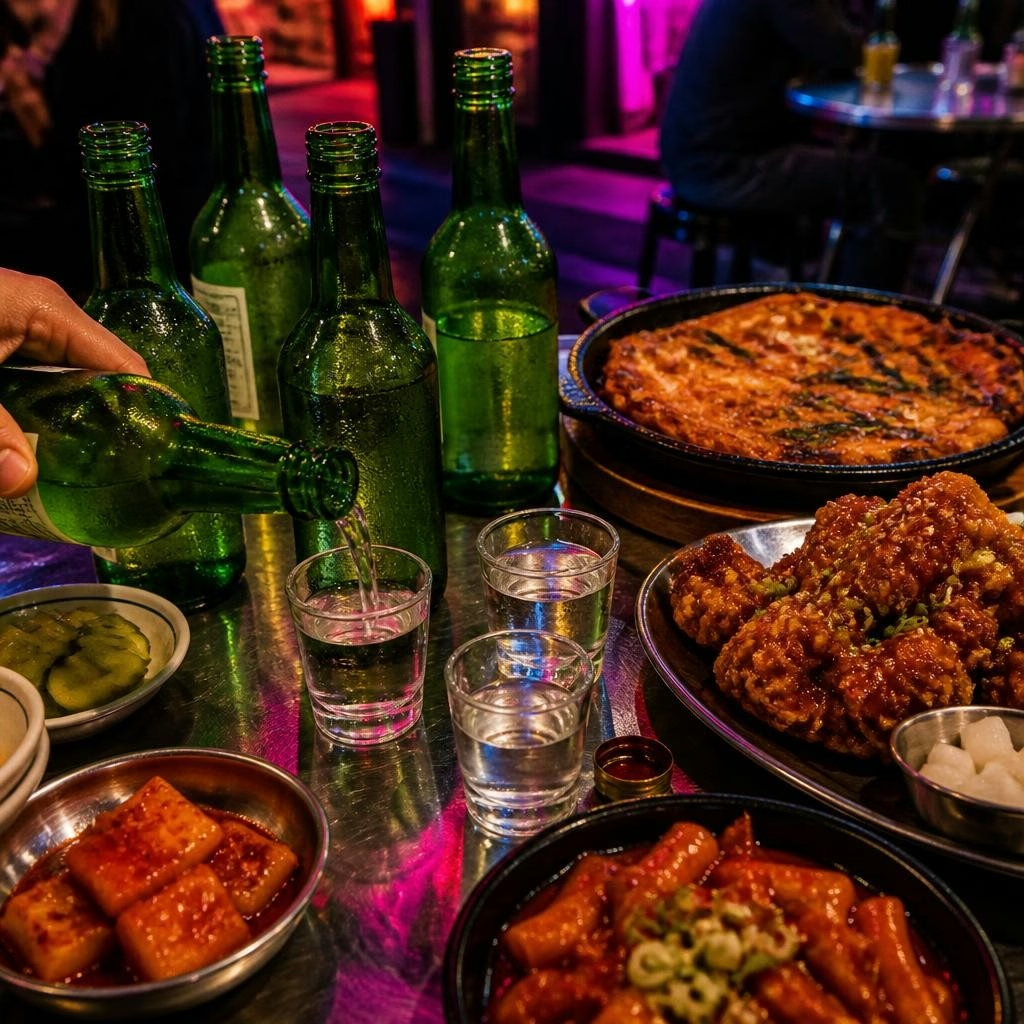
A thoughtfully chosen drink can sharpen flavours, cool spice, and extend a social night out. At Seven Star Pocha Koreatown—located on Little Lonsdale Street in Melbourne CBD—diners frequently praise the lively atmosphere and authentic Korean comfort food, making it an ideal place to explore soju and other Korean beverages with friends. This guide explains common drink styles, suggests pairings for signature dishes such as kimchi pancake, fried chicken and spicy stews, and offers practical tips for an enjoyable soju night in the city.
Understanding soju: styles and tasting notes
Soju is a clear, lower‑ABV spirit traditionally enjoyed in Korea; contemporary bottles include flavored varieties that are popular in casual bars. Unflavored soju tends to be neutral and clean, which helps it sit well alongside spicy and umami foods. Flavoured sojus—such as apricot, lychee and other fruit varieties—bring sweetness and aromatic lift that can complement fried or milder dishes. Reviews from local diners specifically note apricot and lychee soju as enjoyable choices when paired with pancakes and rice dishes.
Other Korean drinks to know
Beyond soju, Korean dining often features beer (excellent for chimaek, or chicken + beer), modestly sweet rice wines (makgeolli) and non‑alcoholic banchan accompaniments like cold barley tea. Makgeolli has a creamy texture and gentle acidity that pairs well with fried or greasy foods, while crisp lagers refresh the palate between spicy bites. At a late‑night pocha setting, these options give groups variety—some patrons favour soju for rounds, while others choose beer or makgeolli for contrast.
How flavours interact: basic pairing principles
When pairing drinks with Korean food, balance is key. Use cleansing, neutral drinks (unflavored soju or lager) to reset the palate between fatty or spicy courses; use mildly sweet or aromatic drinks (fruit soju) to tame heat and complement sweet‑savory sauces. Acidic, effervescent beverages cut through richness, while creamy drinks like makgeolli match the texture of pancakes and batter. Consider portion sizes and shareability—Seven Star is noted for generous servings, so plan drinks and plates for communal tasting.
Pairing soju with kimchi pancake and seafood pancake
Kimchi pancake (kimchi jeon) brings fermented tang, spice and umami. A neutral soju cleanses the palate and lets kimchi flavors shine; a lightly sweet lychee or apricot soju can also play off the tang for a contrasting, more playful match. For seafood pancake, consider makgeolli or an unflavored soju—the creaminess of makgeolli complements batter without overwhelming delicate seafood, while clean soju refreshes between bites.
Pairing soju and beer with fried chicken (chimaek)
Fried chicken is a menu highlight for many diners and a natural pairing for cold beer (the classic chimaek). Beer’s carbonation and low bitterness cut through oil and crisp the mouthfeel. For groups wanting a soju option, fruit‑flavoured sojus create a sweeter, more relaxed pairing that contrasts the salty‑savory crust. If you prefer a more traditional route, alternate sips of chilled lager with unflavored soju to balance richness and sustain a longer drinking session.
Pairing drinks with spicy stews and hotpots
Spicy stews and hotpots (for example, budae jjigae) are rich and piquant; a clean, neutral soju helps moderate heat without adding competing flavors. If the stew is very spicy, a mildly sweet fruit soju will soften the burn for some diners, while beer provides immediate relief through carbonation. Makgeolli’s tang and slight sweetness can also be comforting with heavy, spicy broths. Given Seven Star’s reputation for lively late‑night hotpots, consider ordering bottles and pitchers to share.
Pairing with milder rice and noodle dishes
Bibimbap, japchae and other milder rice or noodle dishes benefit from lighter drinks that preserve subtle flavours. Unflavored soju preserves the integrity of seasoned rice and vegetable blends, while a light lager supports texture without overwhelming seasoning. Some diners prefer a fruit soju with bibimbap for a slightly sweeter contrast, as noted by customers who pair apricot or lychee soju with pancake and rice dishes.
Ordering and sharing etiquette at Seven Star Pocha
Seven Star is known locally for a convivial, late‑night pocha atmosphere and friendly, efficient service—useful when ordering rounds for groups. At Korean casual dining spots, dishes are typically shared: start with a few communal plates (pancake, fried chicken, a stew) and order drinks by the bottle or round. If you have a mix of drink preferences, alternate between soju and beer or add a makgeolli bottle to broaden textures. Be mindful of spice levels and communicate dietary needs to staff; many customers praise the staff’s helpfulness in busy service.
Practical tips for a memorable soju night in Melbourne CBD
Plan for a social, late‑night experience: arrive with a group to sample multiple dishes and drinks; pair heavier, fried items with beer or chilled soju and match spicy stews with neutral or slightly sweet sojus. Pace rounds—soju’s approachable ABV can make long nights easy to extend—so alternate with water or non‑alcoholic drinks. Finally, embrace the atmosphere: reviewers highlight the authentic, lively vibe at Seven Star, which many find evocative of Korea and well suited to an energetic evening out in Melbourne CBD.
Article by
Seven Star Pocha Koreatown
Korean Traditional Bistro